Punakha Drubchen
About this festival
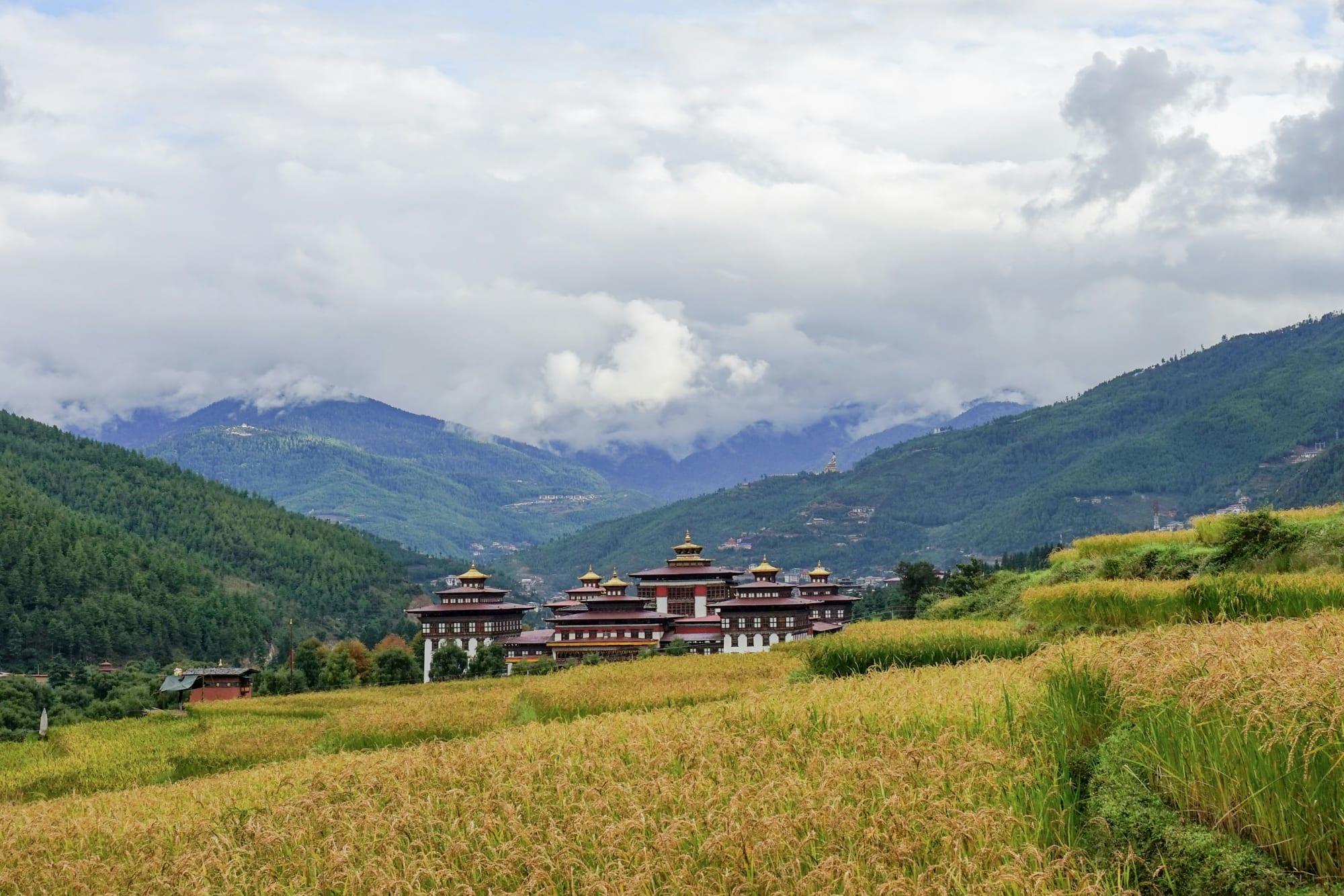
The Punakha Drubchen is a distinctive and historically profound festival in Bhutan that stands in contrast to standard religious tshechus. Rather than focusing primarily on Buddhist teachings through monastic dance, the Punakha Drubchen is a dramatic, theatrical reenactment of a pivotal 17th-century military victory in Bhutan's national history. It honors the courage and strategic brilliance of local village militias who defended the newly forming nation against invading forces. Combining sacred spiritual rituals with intense martial displays, the Drubchen offers international travelers a rare glimpse into the historical formation and sovereignty of the Bhutanese nation.
History & background
The festival is deeply rooted in the events of the 17th century when Tibetan forces launched repeated invasions into Bhutan to seize a sacred relic, the Ranjung Kharsapani (a self-created image of Avalokiteshvara), housed securely within Punakha Dzong. Zhabdrung Ngawang Namgyel, the founder of the Bhutanese state, led the defense of the fortress. Lacking a standing national army, the Zhabdrung relied on local village militiamen drawn from the eight gewogs (village blocks) of the Punakha valley. These men, known as Pazaps, successfully repelled the invaders through martial skill and strategic deception. The Punakha Drubchen was established to commemorate this victory and honor the dedication of the local forces, a tradition carefully preserved for centuries.
Cultural, historical, and religious significance
The Punakha Drubchen serves as a cornerstone of Bhutanese national identity and pride, celebrating national sovereignty and the sacrifices of historical defenders. Religiously, the festival is intricately tied to the propitiation of Bhutan's protective deities, particularly Mahakala (Yeshe Gonpo) and Palden Lhamo, who are believed to have aided the Zhabdrung in defending the nation. By reenacting the historical battle, the local community appeases these deities, invokes ongoing protection for the country, and reinforces a sense of patriotism interwoven with faith.
What happens during the festival
The core of the Punakha Drubchen is the high-energy reenactment of the 17th-century battle. Local men from surrounding villages take on the ancestral roles of Pazaps. Dressed in traditional battle gear—including red woolen tunics, ornate helmets, swords, and shields—they divide into regional units, perform martial drills, chant victory battle cries, and simulate the defense of the dzong.
The event involves dramatic processions, the firing of traditional matchlock weapons (utilizing blank charges that echo loudly against the fortress walls), and theatrical military movements. Monks simultaneously perform solemn internal rituals within the dzong to maintain spiritual protection.
Key highlights
Battle Reenactment by Pazaps
The visceral visual spectacle of armed local militiamen charging and maneuvering around the courtyard and grounds of Punakha Dzong.
Matchlock Weapon Firing
Loud, ceremonial firings of historic firearms signifying battle victories.
Relic Immersion Ceremony (Norbu Chhursha)
The climax of the celebration includes a procession to the Mo Chhu river, where a substitute symbol of the sacred relic is thrown into the water. This reenacts the Zhabdrung's historical deception, in which he tricked Tibetan invaders into believing the sacred relic was destroyed, prompting their retreat.
Visitor information
- Atmosphere
- Energetic, loud, and theatrical, distinct from peaceful monastic dances.
- Climate
- Punakha sits at a lower altitude (~1,200m) than Thimphu or Paro, offering pleasantly warm, mild weather in February.
- Safety
- Visitors must follow guide instructions during battle movements and matchlock firings to maintain a safe distance from active reenactment zones.
- Dress Code
- Formal, modest attire required (long sleeves, full trousers/skirts, collared shirts).
What makes this festival special
While the vast majority of Bhutanese festivals focus entirely on spiritual teachings, the Punakha Drubchen is a living immersion into Bhutan's martial history. Set against the magnificent architecture of Punakha Dzong, it brings the nation's past to life through grand theatricality, offering travelers an extraordinary perspective on how Bhutan secured its independence.